ABOUT
Hi, I’m Nick. I spent the last two years in brand marketing and activation at Electronic Arts, and before that I built integrated campaigns, creator partnerships and original programs for brands trying to reach an audience that doesn’t like ads (and is very good at avoiding them).

The short version of why I’m any good at this is that I’ve been part of this audience since I was a kid (second-hand consoles, making content on YouTube and Justin.tv, IRC and Skype group chats before Discord existed) and I never really left.
EXPERIENCE
Where it started
Video games came to me second-hand. I’ve got five older cousins on my dad’s side, and pretty much every console I had was something one of them was done with: an N64, then a PS1, then whatever came next. Holidays meant all of us at my grandparents’ house, six kids in one room, and gaming was how we spent that time together.
The thing I remember most is a Halo LAN at my cousins’ place. Two tiny CRTs in two different rooms, connected by a long system link cable, way more people than controllers, and me as the youngest one there by a good margin.
My first console that hadn’t already belonged to somebody else was an Xbox 360 I saved up for years to buy, and that’s really where it opened up. Call of Duty and Halo, and then YouTube, which at the time was full of people making commentary videos and montages out of gameplay footage. I wanted to do that, so in 2010 I bought a capture card and spent a while teaching myself Final Cut (badly).
Then I found the graphic design side of the Call of Duty community. The people making logos and banners for teams back then went on to become creative directors at OpTic, FaZe, and 100 Thieves, organizations that at one point were valued like sports franchises, and at the time it was all being run out of group chats. I taught myself Photoshop and Illustrator to keep up, and by 2013 I was helping moderate the community’s Skype chat, which is what we mostly used before Discord existed.
I competed too, though only online, in GameBattles, wager matches and tournaments. I was doing well enough in pubs that I wanted to find out how I’d do against players who also thought they were pretty good. I went to LANs and MLG Pro Circuit events as a fan and grew up around the same guys who went on to win Call of Duty Majors and become legends of the game. None of it made me money, and it taught me how these places actually work from the inside, which turned out to be worth a lot more.
Why I’m telling you this

I didn’t come up through traditional marketing, learning what the audience wanted from the outside. I was the audience first, and I never really stopped being it.
I’m still in the communities and I still watch more Twitch than Netflix. When I’m building a campaign I’m mostly asking whether I’d want to watch it, which sounds simple, and it’s what I think most brands get wrong because they’re building for a version of this audience they’ve only read about.
It keeps changing, too. I’m not the same consumer I was at 15 or 22, and neither is anyone else. Gaming is where I learned to read this stuff but it was never the boundary: I got into streetwear through sports and the early days of Instagram, into photography and videography from wanting to make my own content and an appreciation for the visuals, and into tech because all of it runs on tech (and because I always wanted to build something of my own). I realized that the same person is part of a fandom, in a group chat, following a sport, and being fed by three algorithms at once, and if you’re only reading the part that’s easiest to buy media against you’ll keep missing the rest.
Getting paid for it
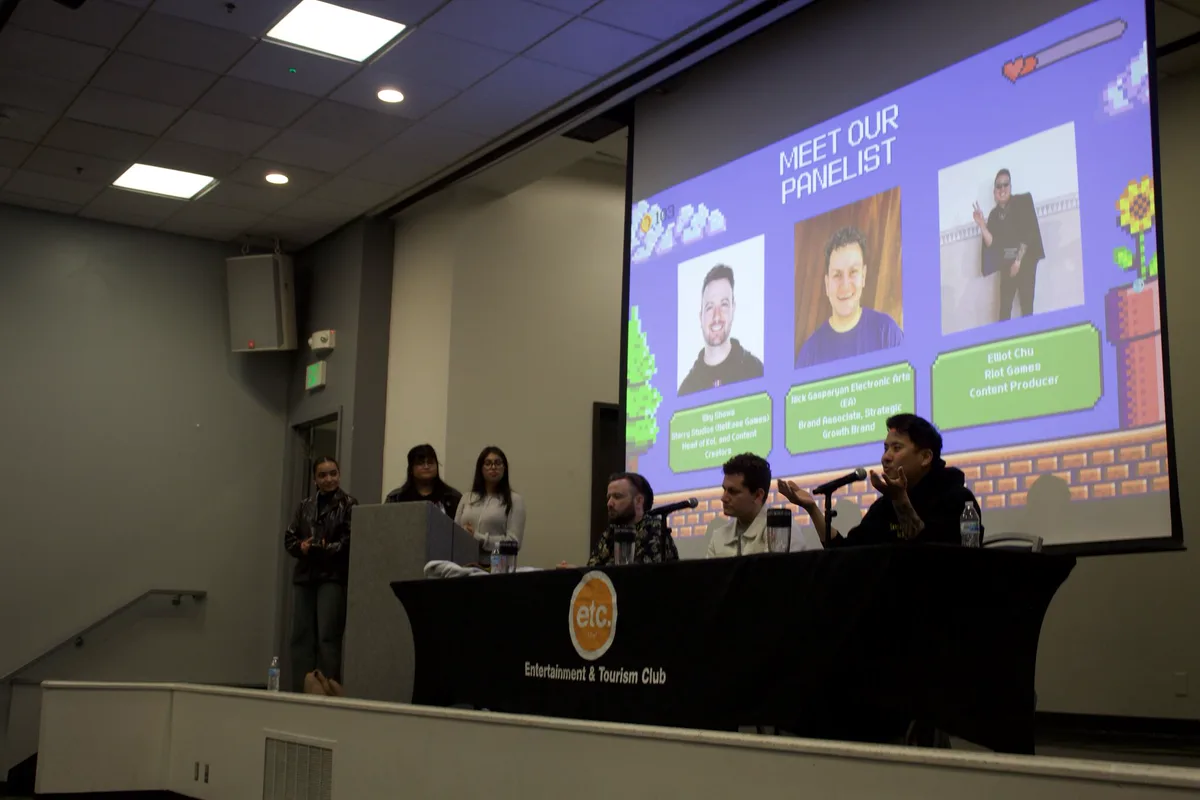
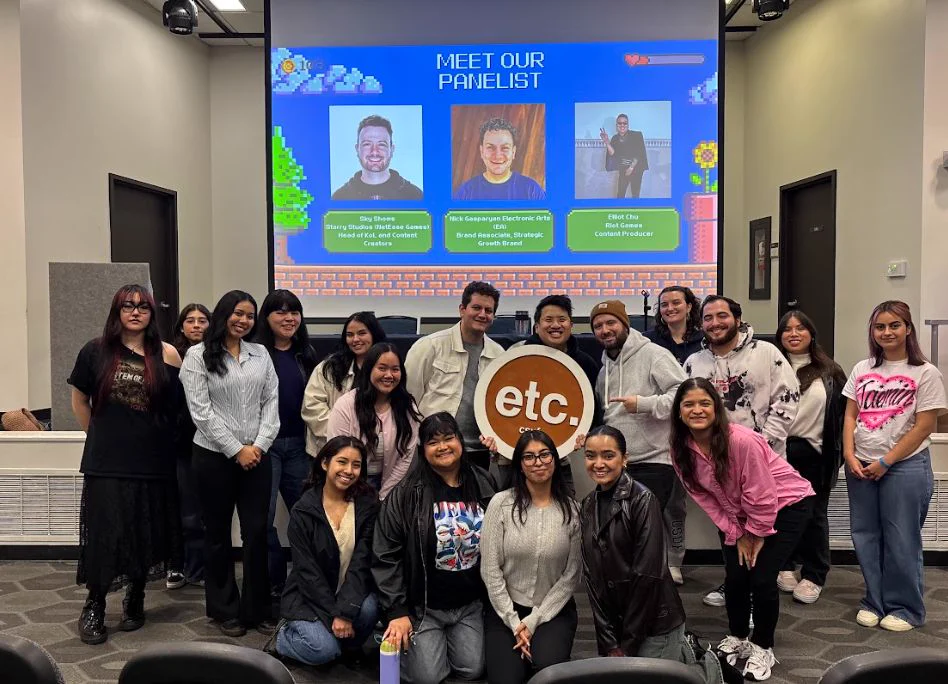
I chose UC Irvine because it made sense for someone who’d grown up in games. Irvine was already a hub for games and tech, with Blizzard’s headquarters down the road, and the campus had a massive gaming community of its own. The school was also fast becoming one of the most in-demand in the country. When UCI launched its esports program, I wanted in.
I volunteered for about nine months before anyone paid me anything, shooting photos and video of whatever was happening on campus, which wasn’t unusual: plenty of students and alumni pitched in the same way, unpaid at first and then in part-time roles, because we wanted the program to work. By the time I left I’d held five different roles, a lot of them at the same time, because the program was small enough that everybody did a little bit of everything.
Nearly not finishing
School was the part I almost didn’t get through. I started in Computer Science and Engineering, and a few years in, my GPA and my progress through the program were bad enough that I was close to being dismissed from the major and from the school.
So I started applying for entry-level jobs around Irvine as a backup plan, including one at iBUYPOWER. I still remember that interview. I was sitting in their conference room in a cheap suit that didn’t fit, and the hiring manager asked me why I was interviewing and what my plan was. I didn’t have a real answer beyond needing something in case I got kicked out.
That question stuck with me. Everything I was putting into UCI Esports was real experience, and it wasn’t going to count for much if I didn’t finish what I’d started. So I did. It took five years and four changes of major, and most of the last stretch happened while I was working full time.
Where I come from

I’m a first-generation American. My family is a big mix, Armenian and Ukrainian on my dad’s side and Belarusian-Jewish roots on my mom’s, and the Armenian side is the one I grew up closest to. The grandparents’ house from the start of this story was my dad’s parents’, and games were only part of what held us together there. The rest was being Armenian: the food, the stories, the holidays and traditions. I’m proud of where I come from.
Nobody in my family worked in anything remotely close to this, and there wasn’t a way in that I could inherit. Every room I’ve been in, I had to find, which is most of the reason I care about the people who haven’t found theirs yet.
What doesn’t come across in a CV
At the end of 2023 I got laid off. I spent the next six months looking for work, which is the boring half of that. The more useful half was finally giving real time to something I’d always wanted, which was building something of my own.
That hasn’t stopped. Outside of work, I’m building an influencer marketing SaaS product and working out how I want to consult with brands directly. I also never stopped working with creators: I still work with and help the streamer I met at that ZOTAC Cup LAN, ten years after I first started moderating his channel, and find opportunities to work with other creators here and there.
None of it is meant to replace my full-time work, and I’ve been in full-time roles since. I do it for the love of the game. This site came out of those six months and the years after. It’s what I’d want someone to see if they were deciding whether I’m right for something, or just a place that shows who I am.
What I’m doing about it
I’ve spent most of my career doing the work and not talking about it much. That’s been changing on purpose.
I started Tapped In in June 2026, a weekly read on culture from the inside: gaming, sports, music, fashion, creators and more, whatever’s moving between them. It’s what I’m tracking and what I think it means. The same month I joined USF’s advisory board, which comes from the same instinct: I’d rather have a position on where this is going than react to it after.
I was a Forbes 30 Under 30 finalist in the Games category in 2024, I’ve started getting asked for comment in industry pieces, and I’m looking for more of it: speaking, writing, anywhere the conversation about this is actually happening and a point of view helps.
RECOGNITION
NFL Tuesday Night Gaming
- Gold, Video – Sports2023 MUSE Creative Awards
- Gold, Video – Entertainment2023 MUSE Creative Awards
AT&T Fiber
- Winner, Other Platform Presence16th Annual Shorty Awards
- Finalist, Local Campaign16th Annual Shorty Awards
- Finalist, Best In-Game Advertising Strategy2024 Digiday Awards
- Shortlisted, Best Use of Gaming2024 Festival of Media
adidas Ozworld
- Winner, Best Metaverse Marketing Campaign2022 Digiday Awards
- Bronze, Best Integrated Campaign – Budget Over $250,0002022 Media Innovation Awards
US Navy
- Silver, Sports, Media and Entertainment2022 ARF David Ogilvy Awards
Forbes 30 Under 30
- Finalist, Games2024